October 11, 2026 · News
Preparing Paperlore: Jigsaw 1.1 — five new categories and a fresh look for familiar pictures
The catalogue is growing, and every existing category will receive newly generated artwork. We have spent the past week refining our paper style for the next update.
Before · current version
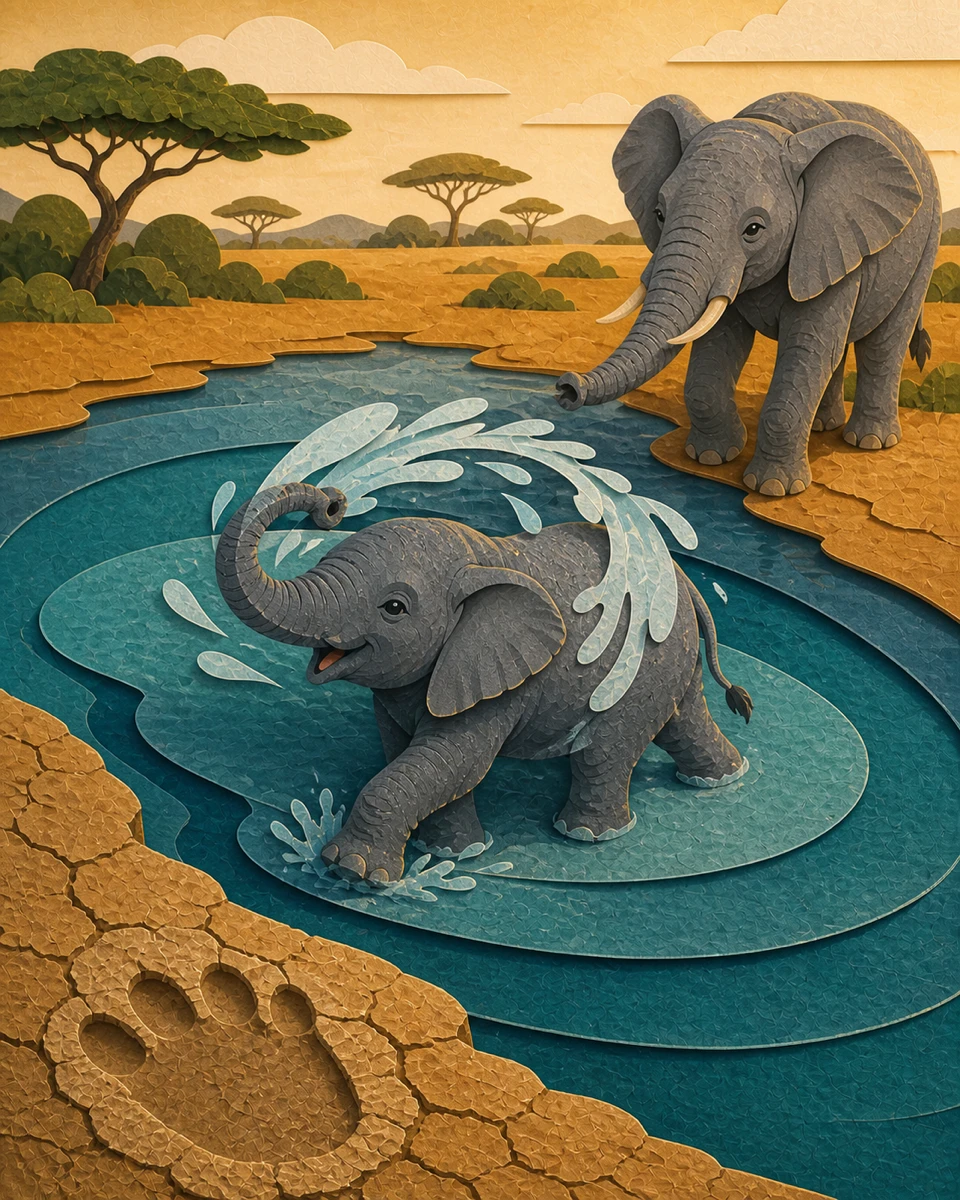
After · render for 1.1
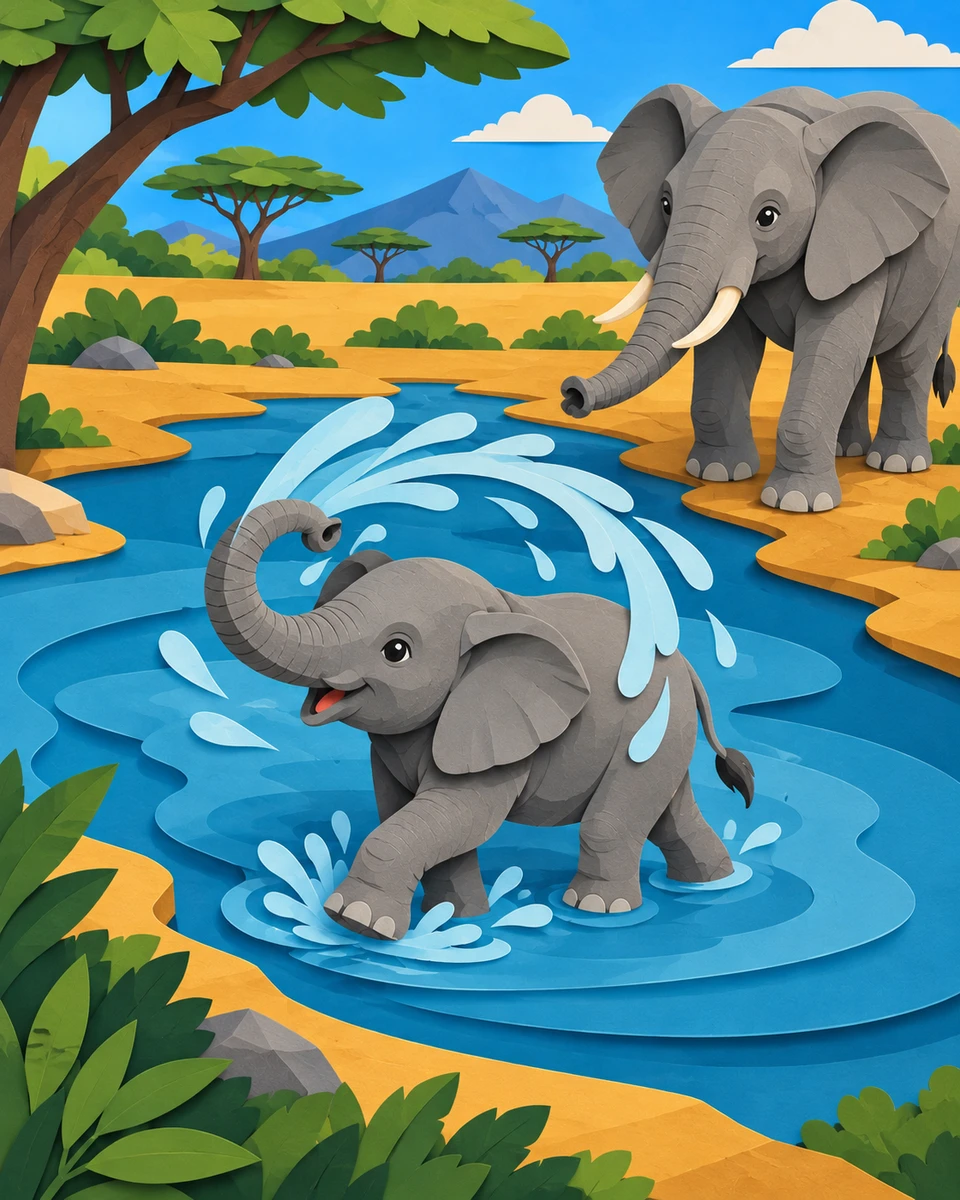
Work on Paperlore: Jigsaw continues after release. We are preparing patch 1.1, which will add five new categories and completely regenerate the artwork in all existing categories. There will be a reason to revisit the catalogue even if you have already assembled your favourite pictures.
More stories to piece together
Five new categories will give players more pictures to choose from. We want each world to have its own stories, mood and compositions, with differences that go beyond the palette. We will introduce their names and collections in future posts when we are ready to show them as a whole.
A fresh look for familiar artwork
Over the past week, we have spent a lot of time comparing renders. Where does paper really look like paper, and where is a surface too noisy? How strong should the shadow between layers be? Does the distant forest stay crisp with a character in the foreground? Those questions have gradually become a clearer set of rules for our illustrations.
The updated style puts more emphasis on cut edges, folds and thin layers of paper. Surfaces will be calmer, with less coarse grain, while form and short contact shadows provide depth. Intricate folds, animal silhouettes and the structure of objects still matter: smooth paper should not reduce an interesting scene to a few simple patches of colour.
Take the elephants at the waterhole. In the original, skin, shore and water all have a dense crumpled texture. In the new render, it is easier to distinguish an ear from the head, splashes from the water and the calf from the shore. Curves and overlapping paper pieces create the volume rather than a cracked surface. The palette and lighting have changed too: this is a fresh interpretation of a familiar scene, not a filter applied to the old image.
This matters when solving a jigsaw. You look closely at each piece as well as the whole picture: the edge of a leaf, part of a wing, a fold in fabric. We need distinct areas of colour, crisp details at every depth and scenes with features you can recognise as you build them.
Here are three more comparisons from Animals and Nature. The right-hand images are work-in-progress candidates for the patch, not replacements already in the released game. Click either version to view the details.
The barn cat: stripes without the visual static
Before · current version
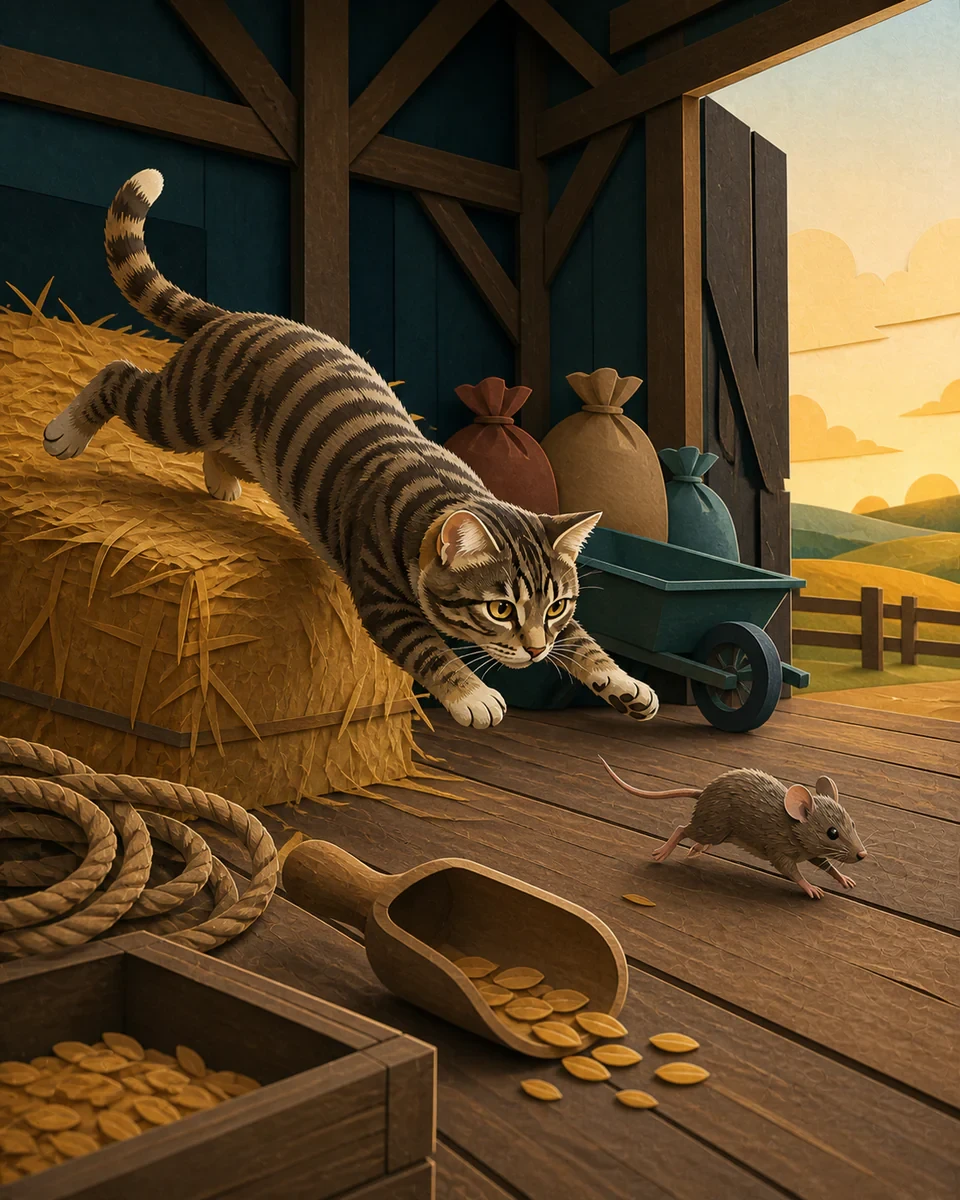
After · candidate for 1.1
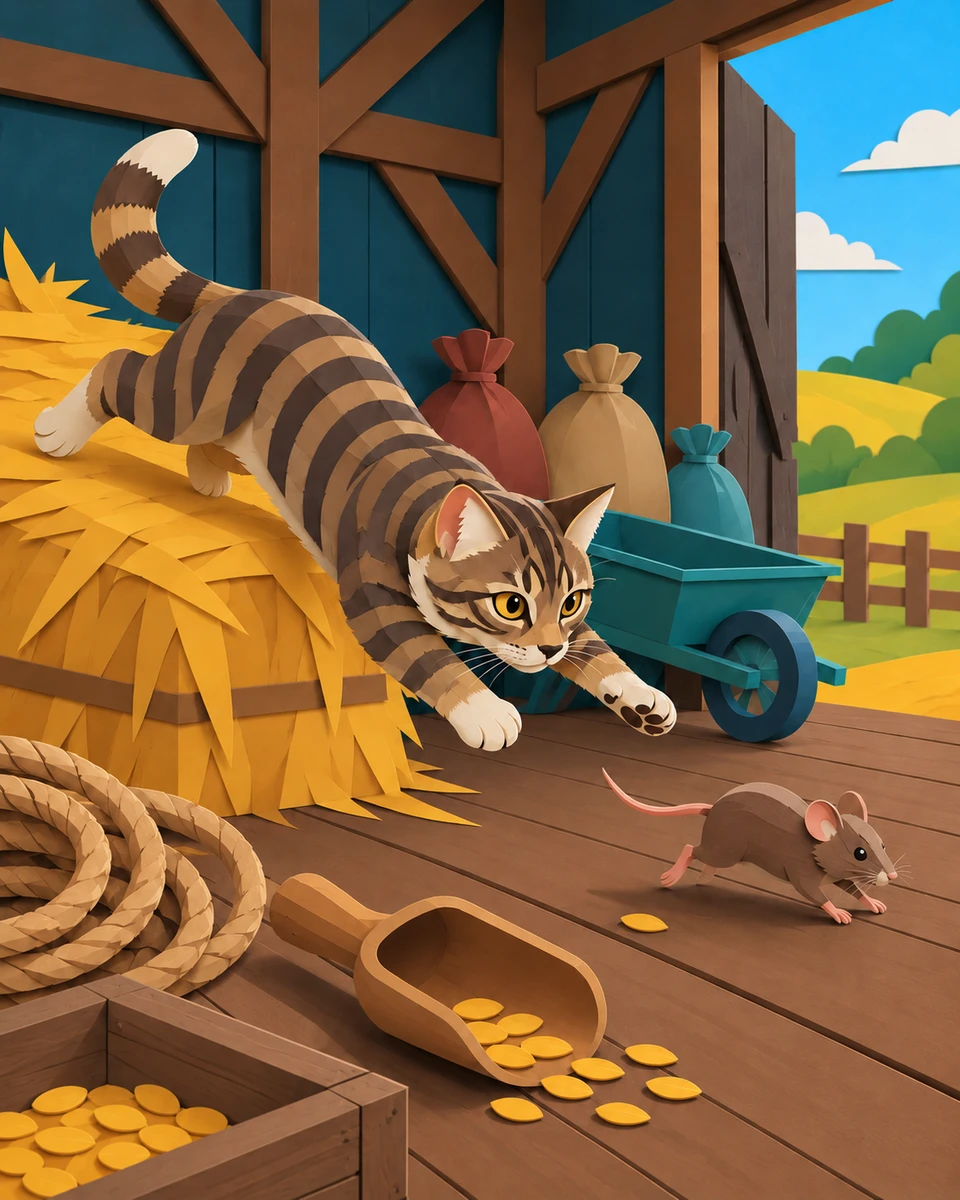
In the old version, fur, straw and floorboards compete for attention with tiny marks and irregularities. In the new render, separate paper pieces form the cat’s stripes and broad cut strips make up the straw. The pose, whiskers, paws and woven rope still have plenty of detail. We are removing surface noise, not the scene itself.
The waterfall: separating water from stone
Before · current version
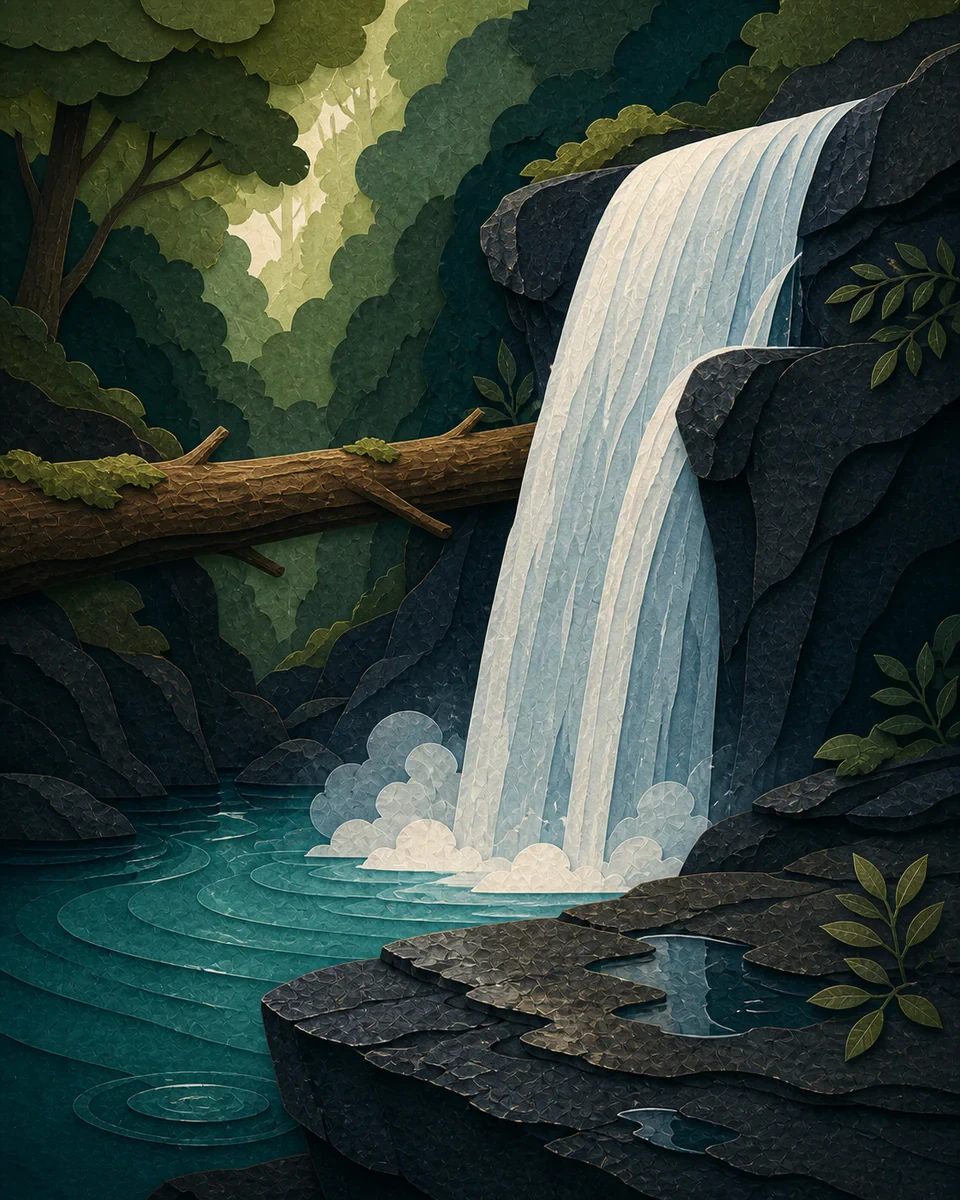
After · candidate for 1.1
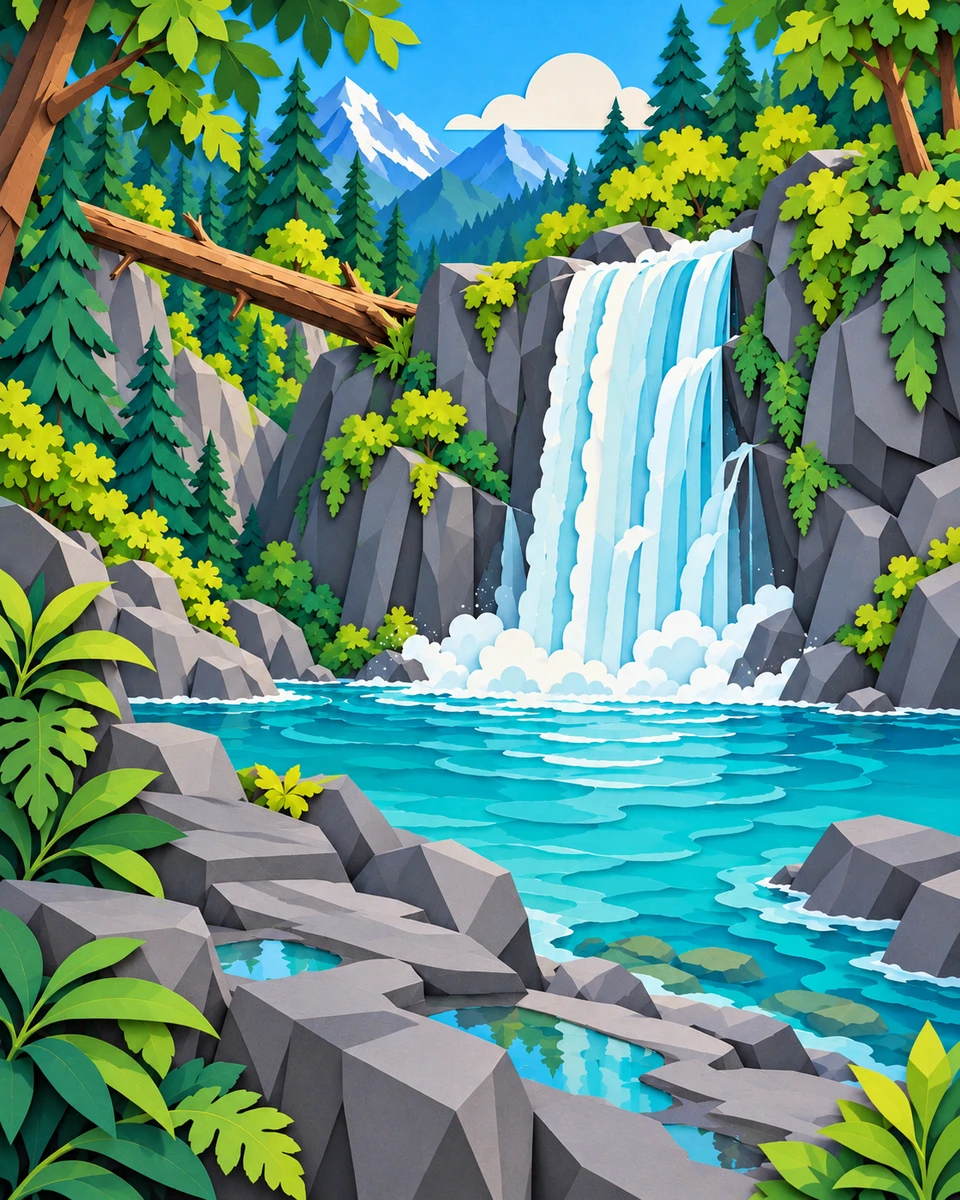
The original waterfall had a crumpled texture across rocks, water and treetops alike. In the new picture, facets define the stones, long pale layers form the falling water and overlapping silhouettes build the forest. The composition and lighting have changed too: this comparison shows a different way of constructing the scene, not just a texture change.
The mountain river: keeping movement, reducing clutter
Before · current version
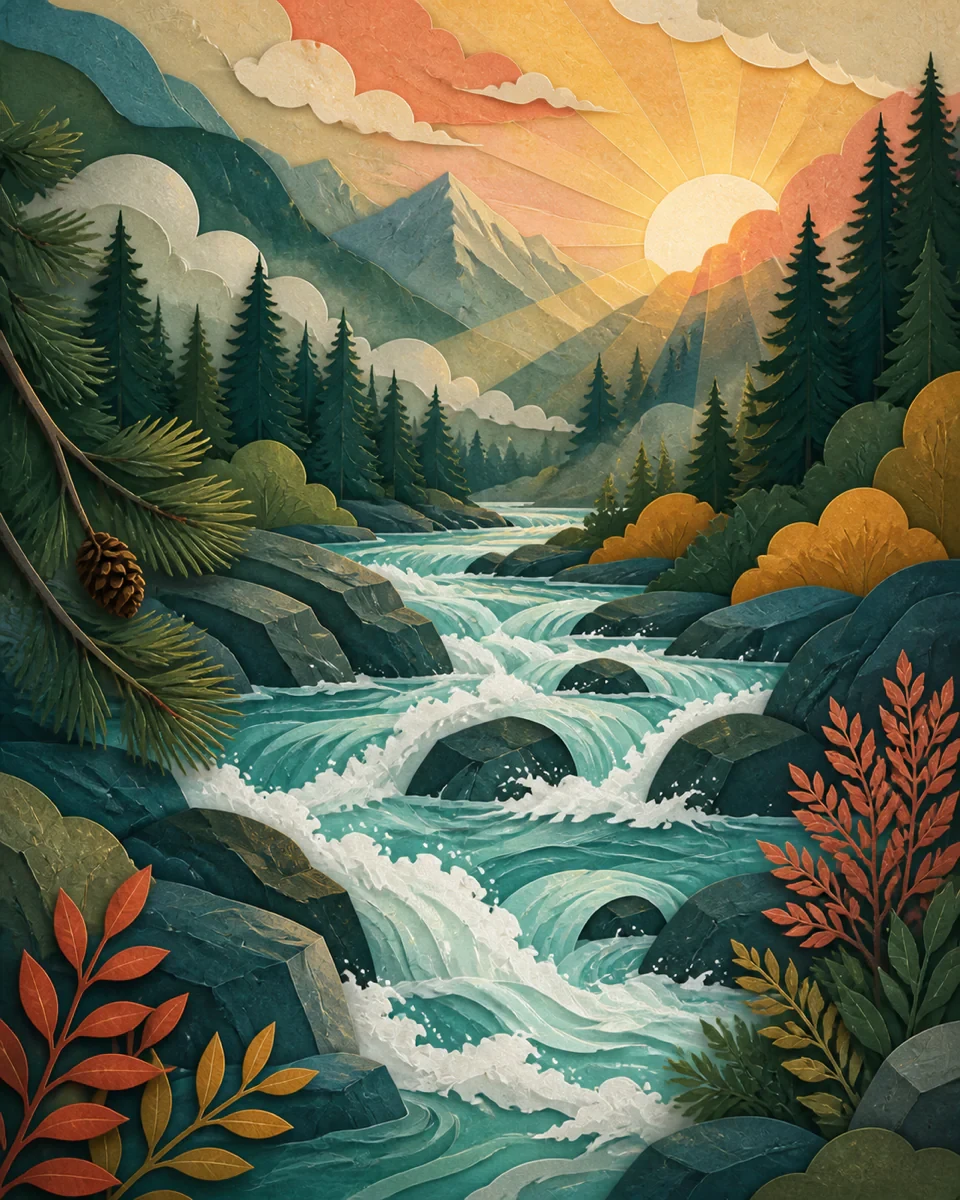
After · candidate for 1.1
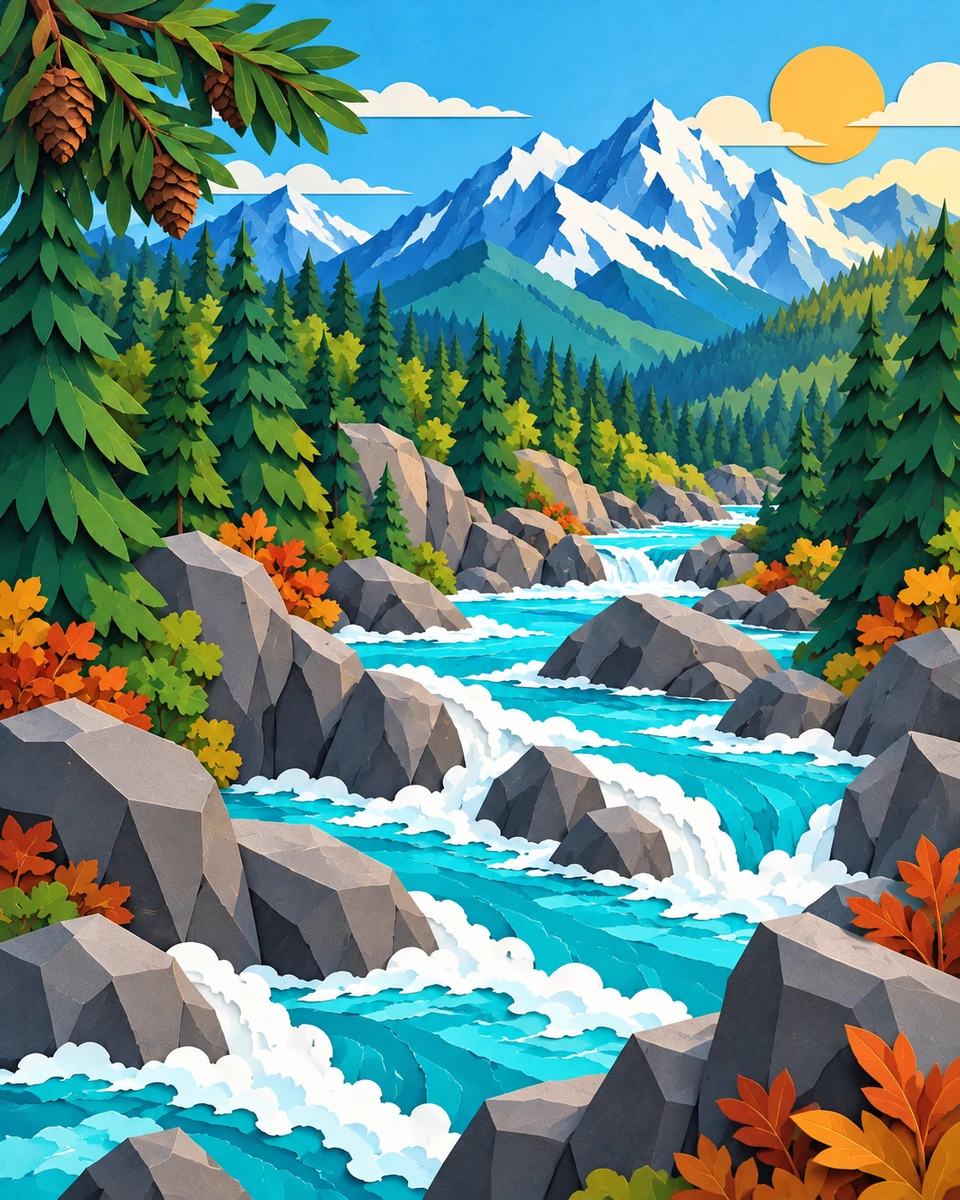
The old river is full of tiny splashes, veins on rocks and fine needles. In the new version, broad blue strips and white foam edges describe the current. It is easier to follow the river into the distance. Needles, cones and the distant forest are still there; paper layers describe their shapes instead of fine surface texture.
Shared references across the catalogue
We have gathered these decisions into a dedicated generation skill: a set of guidelines and visual references for creating and reviewing new renders. It helps keep Paperlore consistent from one picture to the next. We still examine every illustration individually, checking the action, anatomy, scene depth and how well it will work as a puzzle.
We are using the same guidelines to recreate the artwork in every existing category. Our aim is a catalogue that feels coherent as you move between older and newer worlds, with familiar scenes worth another close look.
Patch 1.1 is still in development. We will announce its release date once preparation and testing are complete. Until then, we will share new pictures and the changes taking shape in our paper world.
← All stories